
For the first time, I sent my 2020 RTL's engine oil off to Blackstone for a report. It's my third oil change since getting the bike used. Current bike mileage is 21,000 miles. Factory filters on each change. On my bikes, I have historically aged out my oils before recommended mileage change out requirements. And because winter was typically a storage time, time interval was annually at the end of the riding season. It's a little different now.
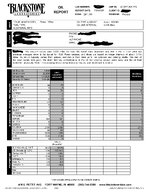
In this case, this report was on Amsoil 10-40, which as you can see only had 3k's use, but in this case, the time interval was 18 months. Over that period, there were good chunks of time when I didn't ride the bike. Note how the oil itself seemed to test fine. Riding history is mixed, with some shorter rides, but all over 25 miles, so the engine always gets up to operating temperature. Riding and storage conditions are all dry environments as the bike resides, and is ridden, in the Arizona Desert, not far from Phoenix. I do my own oil and filter changes. I sent this in at my most recent oil change. This time, I'll be using another high quality synthetic; Motul 7100. One thing I did note, which isn't related to the test results, is using Amsoil, the bike experienced low speed, mild, clutch surging when cold, which was gone by the time I traveled the couple blocks to the main road. At first I thought it was lousy throttle work by me as the Spyder has an unusually weak and sensitive off-idle throttle. It wasn't me. Tried various ways of cracking the throttle to get moving, and at best, all I could do was minimize the surging. Curious if it does the same withing with Motul, but I didn't notice it didn't happen when I pulled the bike into it's storage area after this change. It happened even when the previous oil was new.
Drain plus were quite clean, almost no residue at all. Bike isn't ridden hard, only occasional fun in the twisties. Now storage time is the summer around here. It's just plain too hot for me. Prior to this bike, I've never sent any bike's oil in to get tested, and one year was usually my max between oil changes regardless of the miles ridden, which were always less that manufacturer's intervals, often much less. Frankly extra wear metals might not have concerned me when the bike was brand new, as these can show up as an engine breaks in. I'd like to think 21k and several oil changes both by me and the previous owners would be past break-in time. FYI: The previous owner was meticulous in his maintenance. He passed along excellent records with receipts, so I do have some early history on the bike.
As the title says: What say you? Me? I'm going to stick to a 1 year limit regardless of miles and test again at the next change. Bike runs great and uses very little oil between changes, maybe a few ounces.
In this case, this report was on Amsoil 10-40, which as you can see only had 3k's use, but in this case, the time interval was 18 months. Over that period, there were good chunks of time when I didn't ride the bike. Note how the oil itself seemed to test fine. Riding history is mixed, with some shorter rides, but all over 25 miles, so the engine always gets up to operating temperature. Riding and storage conditions are all dry environments as the bike resides, and is ridden, in the Arizona Desert, not far from Phoenix. I do my own oil and filter changes. I sent this in at my most recent oil change. This time, I'll be using another high quality synthetic; Motul 7100. One thing I did note, which isn't related to the test results, is using Amsoil, the bike experienced low speed, mild, clutch surging when cold, which was gone by the time I traveled the couple blocks to the main road. At first I thought it was lousy throttle work by me as the Spyder has an unusually weak and sensitive off-idle throttle. It wasn't me. Tried various ways of cracking the throttle to get moving, and at best, all I could do was minimize the surging. Curious if it does the same withing with Motul, but I didn't notice it didn't happen when I pulled the bike into it's storage area after this change. It happened even when the previous oil was new.
Drain plus were quite clean, almost no residue at all. Bike isn't ridden hard, only occasional fun in the twisties. Now storage time is the summer around here. It's just plain too hot for me. Prior to this bike, I've never sent any bike's oil in to get tested, and one year was usually my max between oil changes regardless of the miles ridden, which were always less that manufacturer's intervals, often much less. Frankly extra wear metals might not have concerned me when the bike was brand new, as these can show up as an engine breaks in. I'd like to think 21k and several oil changes both by me and the previous owners would be past break-in time. FYI: The previous owner was meticulous in his maintenance. He passed along excellent records with receipts, so I do have some early history on the bike.
As the title says: What say you? Me? I'm going to stick to a 1 year limit regardless of miles and test again at the next change. Bike runs great and uses very little oil between changes, maybe a few ounces.


