pegasus1300
Well-known member
I believe "CAF" is now Commemorative Air Force these days. They still do a nice job of preserving old war birds. Thanks for the writeups and the pictures.



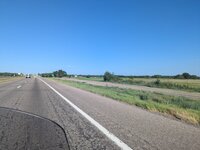

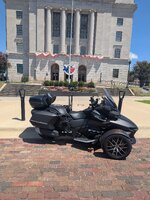
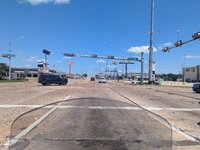
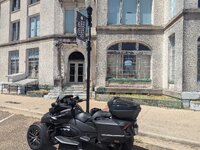
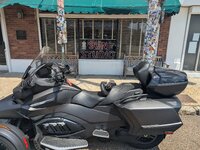
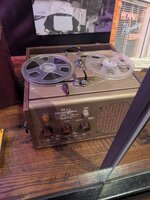

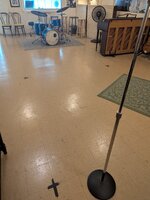
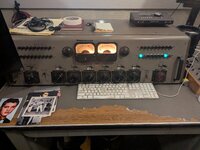
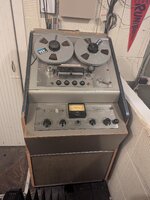
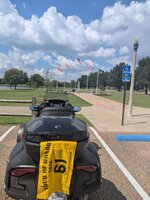

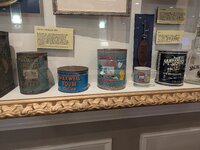
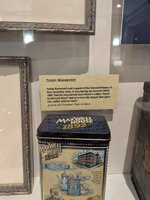



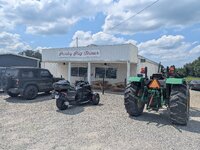
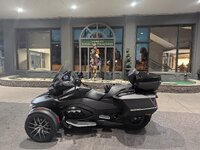




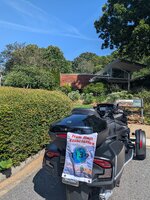
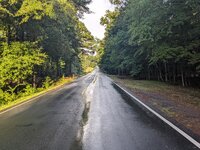
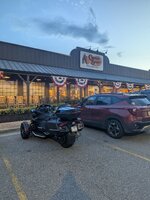

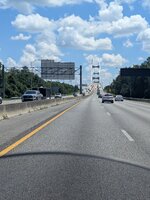
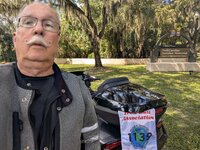
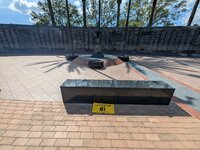

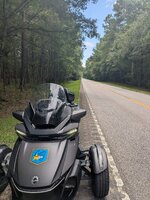

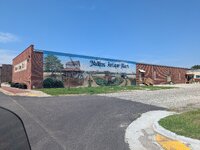
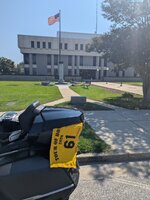
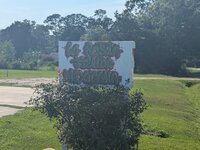
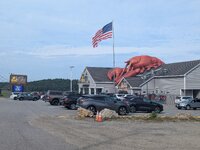
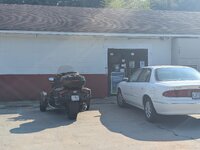 So if you're ever in Dillon, S.C., I recommend this place.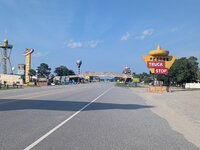



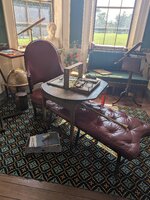






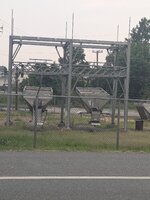


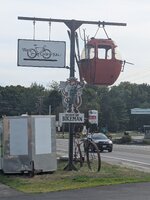
Those are for dispensing sand and salt on ice/snow covered highways. Just back the dump truck in and mount them.Came across this in Smyrna, DE and I have no idea what it is. Anyone?
View attachment 256399
I was on generic Lipator. First I stopped taking it and was referred to a wonderful Rheumatologist who put me on Immunoglobulin - IVIG - infusions.You started out this by stating that long term use of a statin made you weak. I have read that some will basically ruin your muscles beyond repair. Would you share the name of the statin and how you fixed the problem. BTW, great diary of your trip.

You started out this by stating that long term use of a statin made you weak. I have read that some will basically ruin your muscles beyond repair. Would you share the name of the statin and how you fixed the problem. BTW, great diary of your trip.
 ) MANY have found that ANY use of ANY statins of any type, breed, format, whatever can be!
 It's becoming clearer that the manufacturers of these sorts of drugs have know about these significant issues since before most statins even hit the streets! ) are layered on top of pretty much any other chronic conditions, the results can be devastating!

I was on generic Lipator. First I stopped taking it and was referred to a wonderful Rheumatologist who put me on Immunoglobulin - IVIG - infusions.
The critical number to watch is CPK or creatine phosphokinase. This is not part of the standard panel doctors normally run. Ask for it. It could be life changing.
Jdg
Whadda you mean, 'some'!! You might be surprised to find out how (badly, no, 'Extremely crippling and debilitating' is a better description, maybe even life threatening!
And if their potentially really nasty 'side effects' ('side' effects, my ****!!
But this is really a fair bit off topic for both this thread and the section of the Forum, and while a post or two might not be too much of an issue, if people want to further this discussion, we really should move it all over to the 'Off Topic Board' https://www.spyderlovers.com/forums/off-topic-board.125/